
The Speed Of The Dog During Tracking
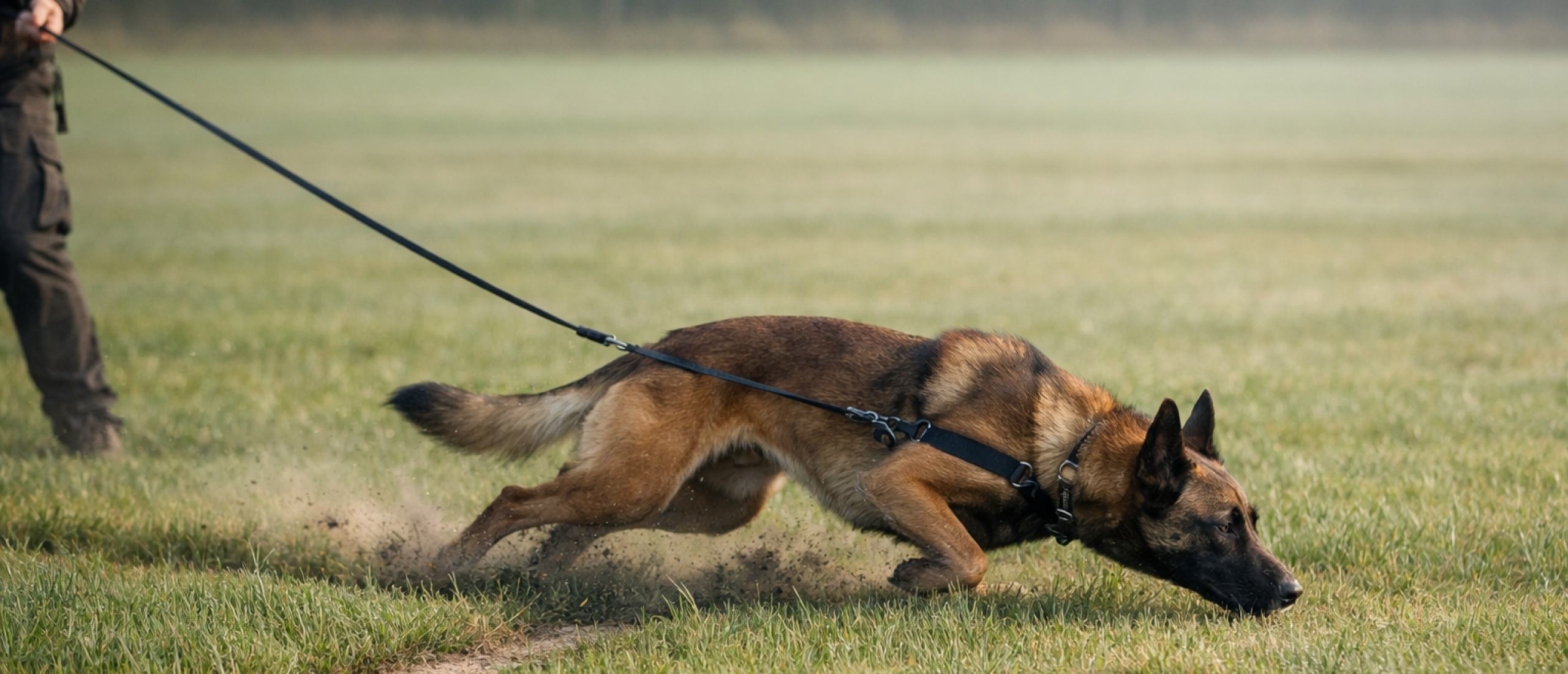
Tracking often raises the same question. My dog moves too fast while following a track. Because of that, the dog misses corners and sometimes also objects. What can you do about this?
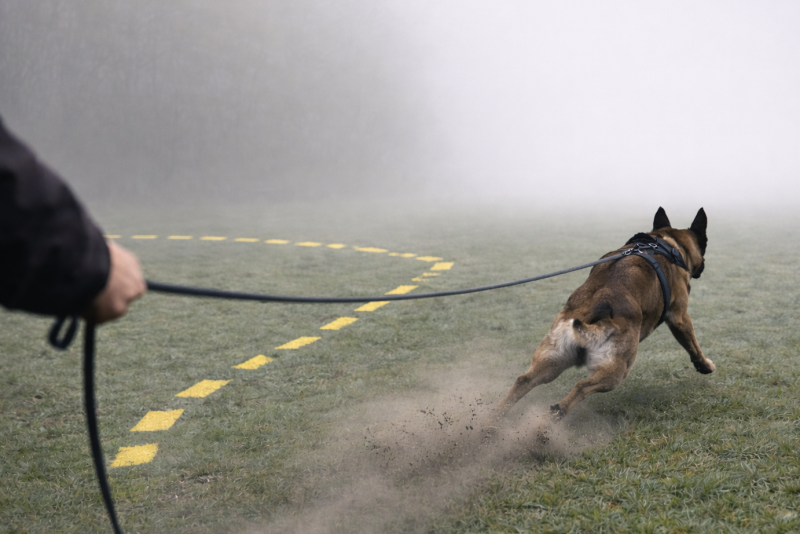
It is true that speed influences accuracy. The faster a dog works, the greater the chance that it overshoots corners and misses objects. But speed is not always a problem. It depends on the situation and on the goal of the training.
Speed Is Not Always A Problem
When a track is easy for a dog, it is normal that the dog increases its speed. If you force the dog to slow down in that situation, it often creates stress. That should always be avoided.
The dogs I trained for the police in the Netherlands were therefore allowed to work faster when the track was easy. This helped them stay relaxed and allowed them to track in a natural way.
Sometimes they ran past a corner. I accepted that. I knew they would search back when they lost the track.
After following a track, I often let these dogs search the route again for objects that had been left behind or thrown away along the track. Because of wind, those objects are not always easy to smell while following the track.
More Speed Means Less Accuracy
One important rule always remains. The higher the speed, the larger the overshoot in corners and the greater the chance that objects will be missed.
In practice this is not always a problem. In sport it can be different. For example in IGP tracking. In that discipline a consistent pace is expected. Corners must be taken very precisely and all objects must be found.
There can also be other reasons to lower the speed. For example when a dog pulls very hard during tracking. Many handlers then automatically lean backward. The result is usually that the dog starts pulling even harder.
Ways To Reduce Speed During Tracking
There are several ways to help a dog track more calmly. For IGP tracking I often recommend working with very small objects on the track. The dog must track with concentration in order to find them.
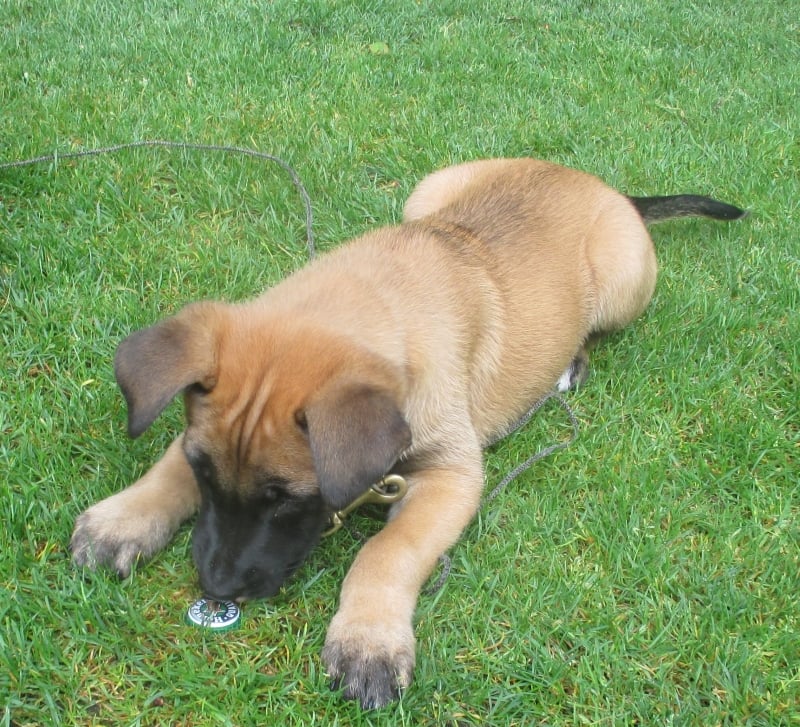
This usually requires taking a step back in the training. Start by training the indication of a small object separately, so without tracking.
Once the dog understands this, you can expand it to very short tracks with the same small object at the end. Only when this works well should you make the tracks longer. This way the dog slowly learns to track with concentration.
A Practical Training Method
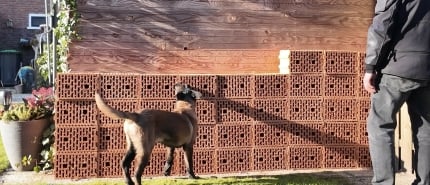
In our training school we show this progression step by step. One example is training with small squares. In this exercise the dog keeps searching until all small objects have been found.
Sometimes I hid ten small objects, for example small nails. The dog kept working the same square until every object was found. This method helps dogs work more calmly and accurately.
More Difficult Tracks Automatically Reduce Speed
Another way to reduce speed is to make the track older. An older track is more difficult to follow. The dog must work harder to find the track and will automatically adjust its pace. This often results in calmer and more accurate tracking.
Collar Or Harness During Tracking
We also advise tracking on a fixed collar. The specialized tracking dogs of the police in the Netherlands also worked this way.
A fixed collar encourages less pulling than a harness. A harness often allows dogs to put more power into pulling.
Always Define Your Goal First
When it comes to speed, you first need to decide what your goal is. Tracking in practical situations requires something different than tracking for IGP. Keep this in mind from the beginning of your training.
In every situation one rule remains important. A dog must be able to track with motivation and without stress. Only then will you achieve the best results.
An Example From Training With Our Pup Jacky
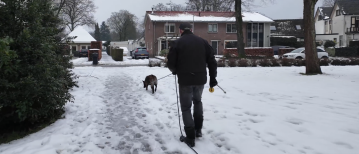
This week we ran a difficult track in a shopping center with our seven month old pup Jacky.
On parts where the track was clear she increased her speed. On difficult sections she slowed down and worked calmly with her nose. That balance often produces the best results, especially on difficult tracks.
Want To Learn This Step By Step
Do you want to learn how to teach a dog to track accurately, with good corners and clear indication of objects? Then take a look at our tracking courses in the online training school.