
Detection Work And Teaching Scents
This is a question we get a lot. How do you start detection work. What is a good structure. And what is the smartest way to teach scents.
The problem is usually not that people train too little, but that they want too much too fast. Multiple scents at the same time, different locations, small scent sources, and hoping the dog will figure it out. That may seem efficient, but in practice it creates confusion and mistakes.
Experience And Starting Point
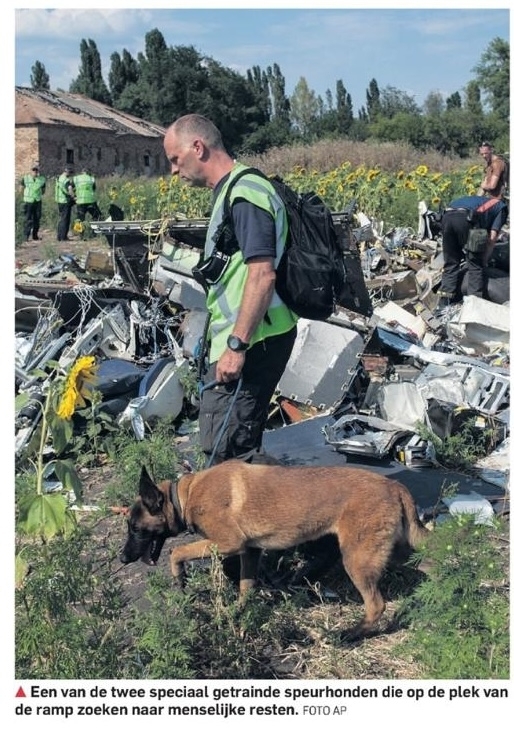
Since 1977 I have trained dogs daily for search work using scent. For many years I trained specialist police dogs. Dogs that searched for, among other things, narcotics, blood, human remains, semen, human scent, accelerants, money, explosives, kong, tea, and coffee.
Even though these are all different odors, the system we use is basically always the same. Detection work depends on a clear structure. First make one scent stable, then expand.

Step 1. Always Start With One Scent
We always start with one scent. We use that one scent to teach two parts properly.
The search.
The indication.
In this first phase we always train in the same location. Not because that location is special, but because predictability creates calmness. You want the dog to understand the task without making the environment difficult at the same time.
Which Scent Should You Start With
Which scent you choose depends completely on the goal.
If it is clear in advance which discipline the dog will be trained for, we start directly with that scent. You want that scent to be imprinted correctly from the beginning.
If a dog will later need to learn multiple scents within one discipline, such as narcotics, then we start with the most difficult scent. Once that is stable, other scents usually follow much faster.
If The Goal Is Not Yet Known
Sometimes the goal is not yet clear. In that case we choose the scent of kong.
Kong has a clear, recognizable smell and you can train with it anywhere. We never use a kong as a reward in this context. The scent must stay purely linked to the search work so the association remains clear.
The Base Phase. From Large To Small
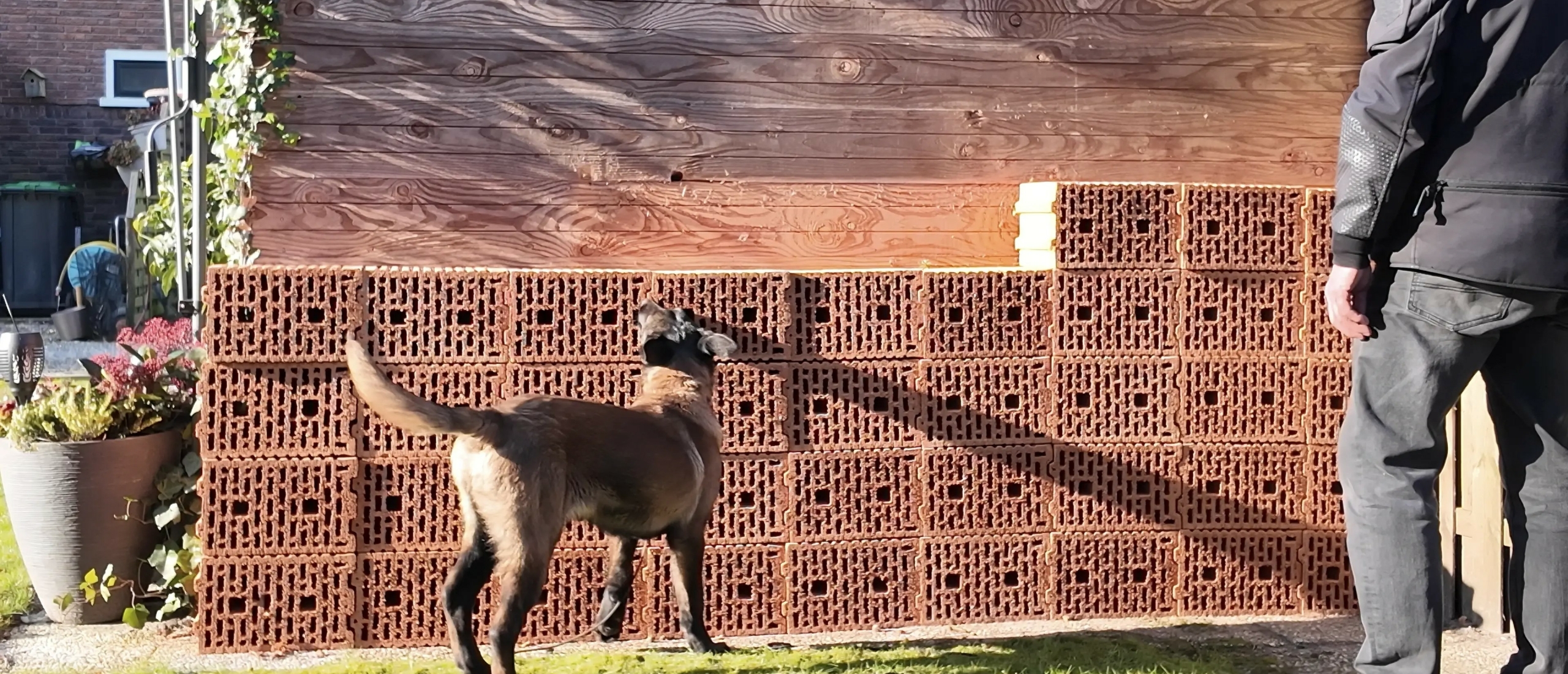
We always teach the foundation of detection work with one scent. We start with a large amount of scent. As soon as the dog understands what to do, we make the scent source smaller as quickly as possible.
You want the dog to learn to search with focus, even when the scent source is small. If you keep working with large scent sources for too long, the search behavior becomes sloppy and less precise.

Teaching A New Scent. How To Do It
When the dog controls the foundation well, you can add a next scent. Teaching a new scent often becomes surprisingly fast at that point.
We start again in the same way and in the same place as with the first scent. Here too we begin with a large amount of scent. Often you see that the dog already moves to smaller scent sources more easily during the first training.
We then train about one week only with the new scent. After that we combine it with the previously taught scent for several weeks.
Why You Should Not Add Too Many Scents Too Fast
It is not smart to teach many scents in a short time. The chance of mistakes becomes bigger.
When a dog smells a different odor in the search area, it can react incorrectly more easily. A new scent must be an extension, not a disruption of the foundation.
How Many Scents Can A Dog Learn
This question often comes from management. One dog that knows many scents seems efficient. But search work in practice is not black and white.
It is not only about what a dog can learn, but especially about what you want to prevent in real work.
Example From Practice. One Dog For Two Tasks
At USAR, where I was responsible for the training of rescue dogs, a colleague wanted to use her narcotics dog as a rescue dog as well. My supervisor thought that was fine. I did not.
A rescue dog can search for a long time without results. If that dog then suddenly smells another trained odor, the chance of a false indication becomes high. That can lead to long search operations that lead nowhere.
Example From Practice. Sexual Assault Scents
In Norway I saw that sexual assault dogs were trained on both blood and semen. We did not consider that desirable in the Netherlands.
In a rape case, both scents are often present. By training only on semen, the indication always remains clear.
Eight Scents In Narcotics Detection
Within one discipline this is different. With narcotics detection dogs we taught eight different scents. In this case it involved eight types of narcotics.
In practice it does not matter which specific substance the dog finds. Every indication for narcotics is good. The goal is not to distinguish between substances, but to locate narcotics.
This is fundamentally different from the difference between, for example, semen and blood, or human remains and narcotics. Those are different disciplines with a different meaning in practice.
What To Take From This
Thinking carefully about the number of scents is essential. Within one discipline you can teach multiple scents, as long as the foundation is stable.
The core of good detection work is that you are clear in advance about which scents are needed, which scent you start with, and how you build the training calmly and logically.
Short Step By Step Plan For Detection Training
- Start with one scent.
- Teach the search and the indication in one location.
- Start with a large scent source.
- Make the scent source smaller as quickly as possible.
- Train for several months with only this one scent.
- Then teach a new scent, again from the start.
- Train about one week only with the new scent.
- Then combine both scents for multiple weeks.
- Only add a next scent later.
- Think in advance about the number of scents per discipline.
Learn More And Go Deeper
In our online training school you will find not only complete courses about detection work, but also deeper lessons about teaching scents, building clear indications, and preventing mistakes in real practice.
You can also ask questions there, watch practical examples, and work step by step toward a dog that searches with clarity, indicates clearly, and stays stable under different circumstances.